
Palma International Boat Show 2026: 10 Key Topics We Observed
Updated: Sep 5
We wrapped up our week at Palma International Boat Show with gratitude for the conversations, invitations and support for Guest Trip. Away from the stands and show decks, a lot of value came from small group talks, dockside meet-ups, and late-night dinners or drinks.
It was a fantastic week, and so nice to hear that we are being noticed in a busy industry. Old acquaintances were reforged, and new connections took place. We enjoyed lots of interesting seminars, had productive meetings and joined as a sponsor for the Onshore Cellars Pop Up event with fundraising in support of Sea Shepherd.
If you’re looking for superyacht industry insights and an overview from Palma Boat Show, this blog covers a lot!
Market growth continues, but splits by segment
Geopolitical forces impact yacht ownership and vessel movement
Compliance and regulation increase complexity
Crew shortages impact operations and safety
Training and retention become key priorities
Sustainability and environmental pressures influencing build and design strategy
Hybrid propulsion and alternative fuels move into active use in the yachting sector
Differentiation drives yacht design decisions
Costs rise across build and operations
New owner profiles for the yachting industry shift demand and expectations
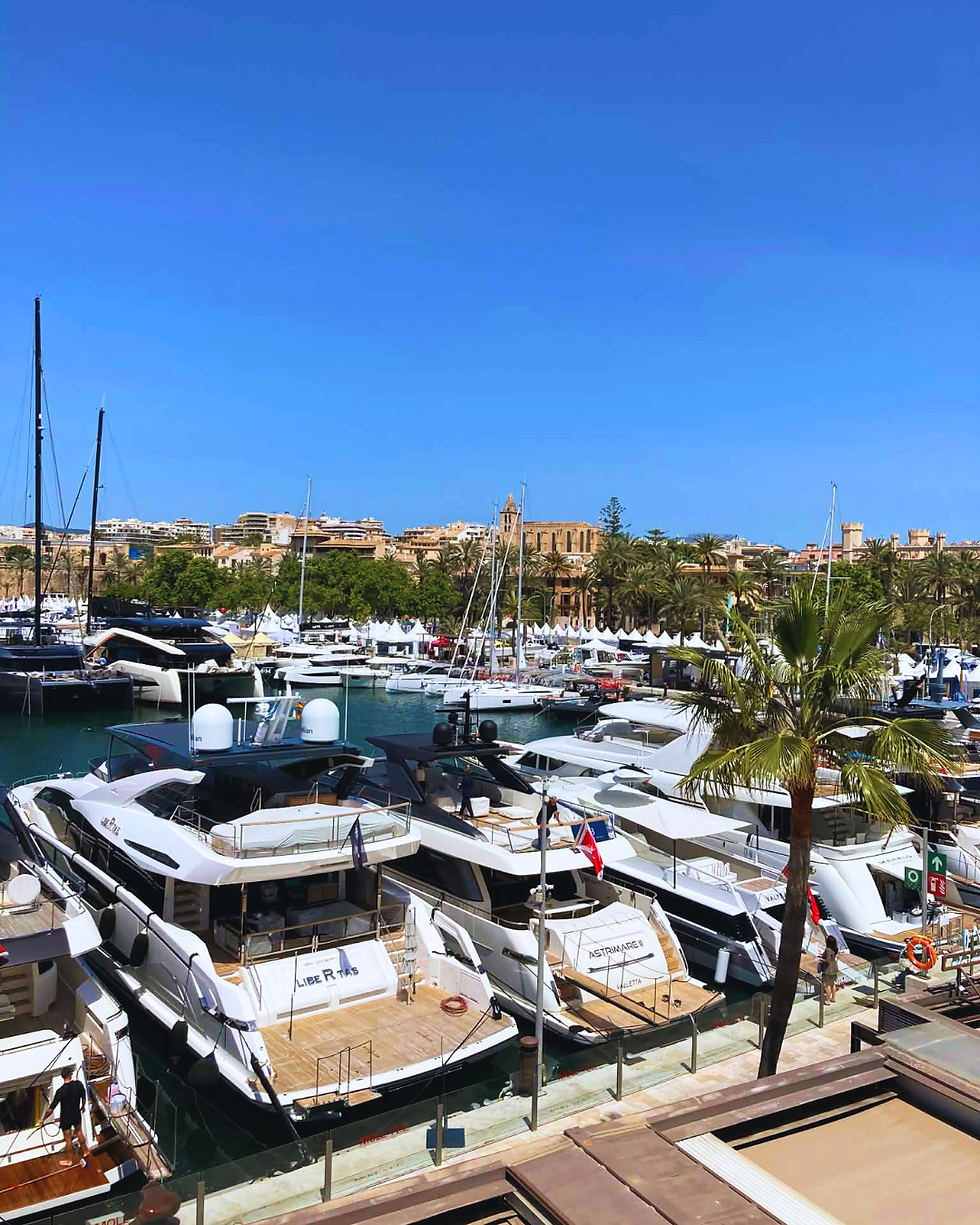
Here are 10 observations from our week at Palma that reflect how the industry is evolving across build, crew, tech, and client demand.
Growth Continues, But the Market Has Split
The top end of the market remains strong. Large yachts lead growth. Smaller yachts face longer sales cycles and buyers are acting with more care. Charter fleets grow, which raises competition.
The market is no longer uniform. It has segmented by size and value, with demand rising for high-spec builds in the 40-70-metre range, such as the announcement during PIBS of the construction of Hull No. 1 in the NL 52 Plus range designed by Nuvolari Lenard and built by Mengi Yay.
Global Politics Influence Decisions
Yachting has always been global. But now, vessel movements are more sensitive to political changes that are having an impact on operational choices. Sanctions, tax rules, and shifts in wealth flow affect how yachts are owned and where they can go.
We attended the British Superyacht Soirée drinks on the opening day of PIBS (hosted and sponsored by Sertec Marine and Technical Marine Supplies Ltd) where we chatted with companies about factors that are driving yachting’s footprint, including charter routes, flag registration, and finance plans.

The message was clear: risk is no longer rare. Many factors all sit under closer watch, and risk management must be built into operational models from day one from insurance to charter contingency plans.
Compliance & Regulations Are More Complex Than Ever
Regulatory layers and rules on safety, crew welfare, and emissions keep evolving. Standards linked to ISM, MLC, and class rules are well known. New layers now include ESG reporting and fuel tracking. This pushes demand for clear systems and digital tools that track, log, and report in real time to stay updated with compliance.
We thoroughly enjoyed the breakfast seminars hosted by Estela Yacht Agency at Astilleros de Mallorca. Thursday morning’s breakfast seminar was really interesting - learning how yachting companies are using AI to improve efficiency with knowledge and operations. Some fantastic points were made about artificial intelligence versus natural intelligence, and great case studies were given by Carlos Miquel from Cuba Luxury Expeditions and Andrina Bindon from Lighthouse Consultancy about the value of using both AI and human input for logistics and route planning.
Crew Shortage Hits a Critical Point
Fleet size keeps growing, while a large percentage of the yachting workforce will be retiring within the next 15 years (stat from the International Superyacht Society: 27% of the maritime workforce in Florida is already 55 years or older).
Opportunities for educating young people about careers in yachting should continue to be given priority, because the pool of trained crew has not kept pace. Senior roles - chief engineers, ETOs, and heads of department - are in short supply, so existing crew are under huge pressures. The lack of skilled crew now impacts daily operations, and the result is higher crew turnover, fatigue, and rising safety threats.
Training & Retention Take Priority
Linked to the crew gap is a noticeable change in how yachts and management are thinking about training. It was encouraging at Palma to see more initiatives from vessels, crew agencies, managers and maritime training schools who see crew as a long-term asset, not a short-term hire. Seminars about maritime career pathways and mental health support came up often on the show agenda. Retention now holds equal weight to hiring.
There is also more attention toward shore-based support models. Admin, data oversight, and guest concierge tasks are moving ashore. This frees onboard crew to focus on service and safety.

Environmental Pressures Continue
The Superyacht New Build Hub at Marina Port de Mallorca drew a steady flow of designers, yards, and build teams. It worked as a live test bed for ideas that will ignite the next generation of yachts that will be built, chartered, owned or sold. Talk of fuel, propulsion, waste, and long-term impact was front and centre. Sustainability is now part of core discussions and not just a side topic.
There is still no clear global rule set in place. The International Maritime Organization has yet to lock in firm net-zero targets that the sector can work toward. Yards must deliver now, yet they do so without full clarity.
At the same time, owners are asking harder questions. Hybrid options, low-impact materials and fabrics, and smart energy use are no longer “nice to have”. They are part of the design and build process. The result is a push-pull effect: unclear industry rules, yet fast-rising demand.
Hybrid & Future Fuels Still In Discussion
Design teams spoke about range, load, safety considerations and cost - sometimes with great debate! Hydrogen, methanol, nuclear and hybrid systems were key points of discussion. The transition is from trial to use.
Yet shore-side setup still lags, such as consistency with fuel supply and investment in port infrastructure for alternative fuels, so the industry must catch up for full use at scale.
Differentiation Is No Longer Optional
It is not enough to build an aesthetically beautiful yacht. It must offer something new – whether that’s the exterior or interior design, tech, or materials. Owners expect a strong identity in each build, both for private use and charter return.

Designers at the Superyacht New Build Hub spoke of “purpose-led builds”. Each space, each textile, each living or entertaining area, must serve a goal. This sharp thinking sets top projects apart, and design studios are being proactive about promoting innovative yacht concepts.
Costs Rise Across the Board
Build and maintenance costs face tighter margins. Owners are taking a more strategic view where spend must link to distinct value. Advisors, senior crew and owners' reps are strong links for the entire build ecosystem.
New Owner Profiles
The next wave of buyers brings a fresh mindset. Many are younger - coming from tech, finance, and new wealth sectors. The entire experience, from build to use, should tap into speed, access, and transparency. They want tech that works without friction, like the tools they use on land. They also show more interest in both social and environmental impact.
Guest Trip at Palma International Boat Show
As one of the first yacht shows to kick off the Med season, we recognise that being present matters. Face-to-face talks led to direct insight and feedback about Guest Trip. Our week in Palma showed that in a busy market, being seen and interacting on the ground supports growth, trust, and product development and can set brands apart.
Thanks to everyone who crossed our path – a great week!
Stay Updated:
Sign up for our mailing list for future news and updates: https://www.guest-trip.com/contact
Connect with us on LinkedIn: https://www.linkedin.com/company/guest-trip
Follow us on Instagram: https://www.instagram.com/guest.trip


Comments